

Modern vehicles rely on computer systems to monitor how everything is running. When something starts to affect engine performance or efficiency, the system stores error codes that help identify the problem. A car diagnostic test reads these codes and gives you a clear picture of what is happening beneath the surface. If you have ever wondered why you should get a car diagnostic test or what it will actually tell you, here is a straightforward guide.
Car Diagnostic Test Guide
Why Get a Car Diagnostic Test
A diagnostic test helps you pick up problems early before they become expensive repairs. Many issues begin as small issues that are not immediately noticeable while driving. You might only see a warning light on the dashboard or feel a slight change in how the car accelerates. A vehicle diagnostic scan reads the information stored in the computer system so you can understand what is going on.
Most repairs are cheaper and easier when they are caught early. Sensors, fuel injectors and other components can sometimes show signs of trouble long before the car shows obvious symptoms. A routine diagnostic test saves you money by preventing minor issues from turning into major auto repair jobs.
When to Do a Diagnostic Test on Your Car
There are a few clear situations where a diagnostic test is the right choice. The most common trigger is a warning light such as the check engine light. The car uses oxygen sensors and other monitors to detect faults, and these sensors record error codes when something is not running smoothly.
You should also get a car diagnostic test if the engine feels different, if fuel economy changes or if the vehicle hesitates during acceleration. Even if no lights are showing, the computer can still store codes that point to underlying issues. A diagnostic test is also recommended before buying a used car so you know if the vehicle has hidden problems.
If you are preparing for a long trip or towing, a quick diagnostic scan can confirm that everything is operating correctly. Don’t wait for something to fail openly. A preventative check often avoids breakdowns and keeps the engine performing as it should.
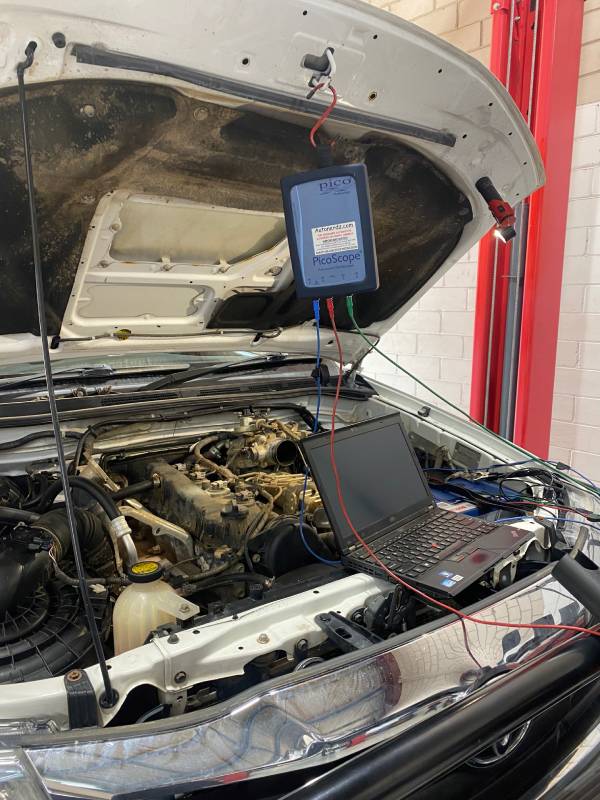
What Will a Diagnostic Test Tell You
Car diagnostics can reveal a wide range of information. It reads error codes that relate to engine performance, emissions systems, transmission behaviour, fuel mixture, ignition issues and more. Depending on the vehicle, it can check items such as fuel injector performance, airflow data, throttle response, idle control and sensor operation.
The test does not repair anything by itself, but it does show the technician exactly where to look. This makes the troubleshooting process faster and more accurate. Instead of guessing, the mechanic uses diagnostic equipment to pinpoint the cause. This reduces labour time, avoids unnecessary parts replacement and gives you clear information on what needs attention.
Diagnostic tools can also tell you if a problem is intermittent or ongoing. For example, a sensor may throw an occasional code without fully failing. This helps the mechanic decide whether it needs immediate replacement or monitoring. Understanding the pattern of these error codes is an important part of effective repair work.

How Accurate Are Car Diagnostic Tests
A vehicle diagnostic test is very accurate when used correctly. The computer systems inside modern cars constantly check data from dozens of sensors, and the diagnostic tool retrieves that information directly. While the test cannot describe the physical condition of every component, it provides a reliable starting point and removes the guesswork from most car mechanical repairs.
Accuracy also depends on the skill of the technician who interprets the diagnostic scan. The tool will tell you what system is affected, but the mechanic must confirm the root cause. For example, an oxygen sensor code may be caused by the sensor itself, an exhaust leak or a problem with fuel mixture. This is why professional testing is the most effective approach.
When to Book a Diagnostic Check
If your vehicle shows a warning light, drives differently or feels less responsive, it is worth booking a cardiagnostic check. A qualified technician can read the error codes, inspect the related components and explain what needs attention. This keeps the car running smoothly and prevents small issues from becoming costly repairs.
Matt Gates Automotive provides full diagnostic testing using professional diagnostic tools and equipment. Our technicians check the stored error codes, assess engine performance and help you understand the next steps clearly. If your car feels off, or if you simply want peace of mind, book a diagnostic test with Matt Gates Automotive. We support drivers across the North Shore and Sydney with reliable inspections and accurate fault detection.
FAQs
What is a car diagnostic test?
A car diagnostic test uses specialised diagnostic equipment to read fault codes and data stored by your vehicle’s computer systems. These codes can help identify problems affecting areas such as the engine, transmission, emissions, fuel system, ignition and sensors, giving the mechanic a clearer idea of where further investigation is needed.
What can a car diagnostic test tell you?
A car diagnostic test can identify fault codes relating to engine performance, emissions, transmission behaviour, fuel mixture, ignition and other electronic systems. It can also provide information about sensor operation, fuel injectors, airflow, throttle response and other vehicle data, helping a mechanic pinpoint the likely source of a problem.
What does a car diagnostic test consist of?
A diagnostic test involves connecting professional diagnostic equipment to the vehicle and reading the fault codes and data stored by its computer systems. A mechanic then interprets that information and investigates the affected system to determine the underlying cause of the fault.
How accurate are car diagnostic tests?
Car diagnostic tests provide accurate information directly from the vehicle’s computer systems, but a fault code does not always identify the exact component causing the problem. A qualified mechanic still needs to interpret the results and investigate the affected system to confirm the root cause.
When should you get a diagnostic test on your car?
You should consider a diagnostic test if a warning light appears, your engine feels different, fuel economy drops or the vehicle hesitates during acceleration. Diagnostics can also be useful before buying a used car, preparing for a long trip or towing, as they can identify stored faults that may not yet be causing obvious symptoms.