

Shock absorbers play an important role in keeping your vehicle stable, comfortable and safe to drive. While many drivers associate them with ride comfort, they also help maintain tyre contact with the road, improve braking performance and support overall vehicle handling.
Like any suspension component, shock absorbers wear out over time. Because the wear usually happens gradually, many drivers don’t realise their shock absorbers are no longer performing as they should until the symptoms become more noticeable.
Recognising the signs of worn shock absorbers early can help prevent further suspension damage and maintain the safety and performance of your vehicle.
What Is the Purpose of Shock Absorbers?
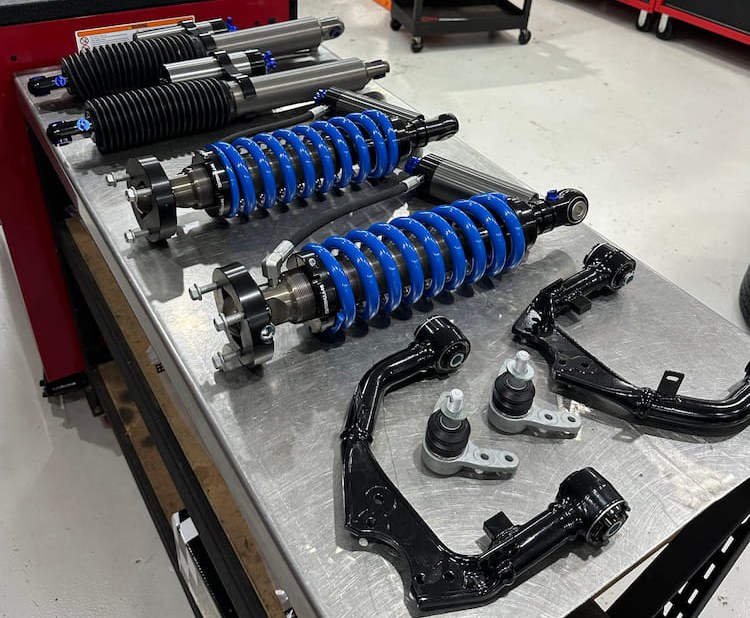
Shock absorbers are a key part of your vehicle’s suspension system. Their job is to control the movement of the springs by absorbing energy as the vehicle travels over bumps and uneven road surfaces.
Without properly functioning shock absorbers, the vehicle would continue bouncing after every bump, making it difficult to maintain vehicle stability, steering control and consistent tyre contact with the road.
Well maintained shock absorbers also improve ride comfort, braking and cornering performance.
Common Signs of Worn Shock Absorbers
Shock absorbers usually wear out gradually, so the symptoms often become more noticeable over time.
Some of the most common signs include:
- excessive bouncing after driving over bumps
- a rough ride
- increased body roll when cornering
- the front of the vehicle nose diving under braking
- uneven tyre wear (high and low spots)
- reduced steering control
- visible leaking shock absorbers
If you notice one or more of these symptoms, it is worth having the suspension inspected.
Excessive Bouncing
One of the easiest ways to recognise worn shock absorbers is excessive bouncing.
After driving over a speed hump or uneven road surface, the vehicle should settle quickly. If it continues bouncing several times, the shock absorbers may no longer be controlling the movement of the suspension effectively.
Rough Ride
As shock absorbers wear, they become less effective at absorbing impacts from the road.
This often results in a rougher ride, with bumps and potholes becoming much more noticeable inside the cabin.
Increased Body Roll and Nose Diving
Worn shock absorbers can also affect how the vehicle behaves during cornering and braking.
You may notice:
- increased body roll when turning
- the front of the vehicle nose diving during braking
- the rear of the vehicle squatting more heavily during acceleration
These symptoms reduce driver confidence and can affect overall handling.
Uneven Tyre Wear
Because shock absorbers help keep the tyres in consistent contact with the road, worn suspension can contribute to uneven tyre wear.
When the tyres cannot maintain proper contact with the road surface, they may develop irregular wear patterns that shorten tyre life and reduce grip.
Leaking Shock Absorbers
A visual inspection may also reveal oil leaks around the shock absorber body.
Shock absorbers contain hydraulic fluid that controls suspension movement. If oil begins leaking from the unit, its ability to dampen suspension movement is significantly reduced.
Leaking shock absorbers should be inspected as soon as possible.
The Dangers of Worn Shock Absorbers
Driving with worn shock absorbers affects more than just ride comfort.
As the suspension becomes less effective, the vehicle may experience:
- reduced braking performance
- longer braking distance
- reduced steering control
- decreased vehicle stability
- reduced tyre grip, particularly in wet conditions
These issues become even more noticeable during emergency braking or sudden changes in direction.
What Causes Shock Absorbers to Wear Out?
Shock absorbers are constantly working whenever the vehicle is moving, so gradual wear is normal.
Several factors can accelerate wear, including:
- poor road conditions
- carrying heavy loads regularly
- frequent towing
- high vehicle kilometres
- rough or uneven terrain
Because wear develops slowly, many drivers simply adapt to the changing ride quality without realising the suspension performance has deteriorated.
What Is the Life Expectancy of Shock Absorbers?
There is no fixed replacement interval for shock absorbers because their lifespan depends on the vehicle, driving conditions and how the vehicle is used.
Vehicles driven regularly on rough roads, carrying heavy loads or towing may require shock absorber replacement sooner than vehicles used primarily for highway driving.
Regular suspension inspections are the best way to determine whether the shock absorbers are still performing correctly.
Shock Absorber Replacement at Matt Gates Automotive
Worn shock absorbers affect far more than ride comfort. They play an important role in braking, steering, tyre wear and overall vehicle stability.
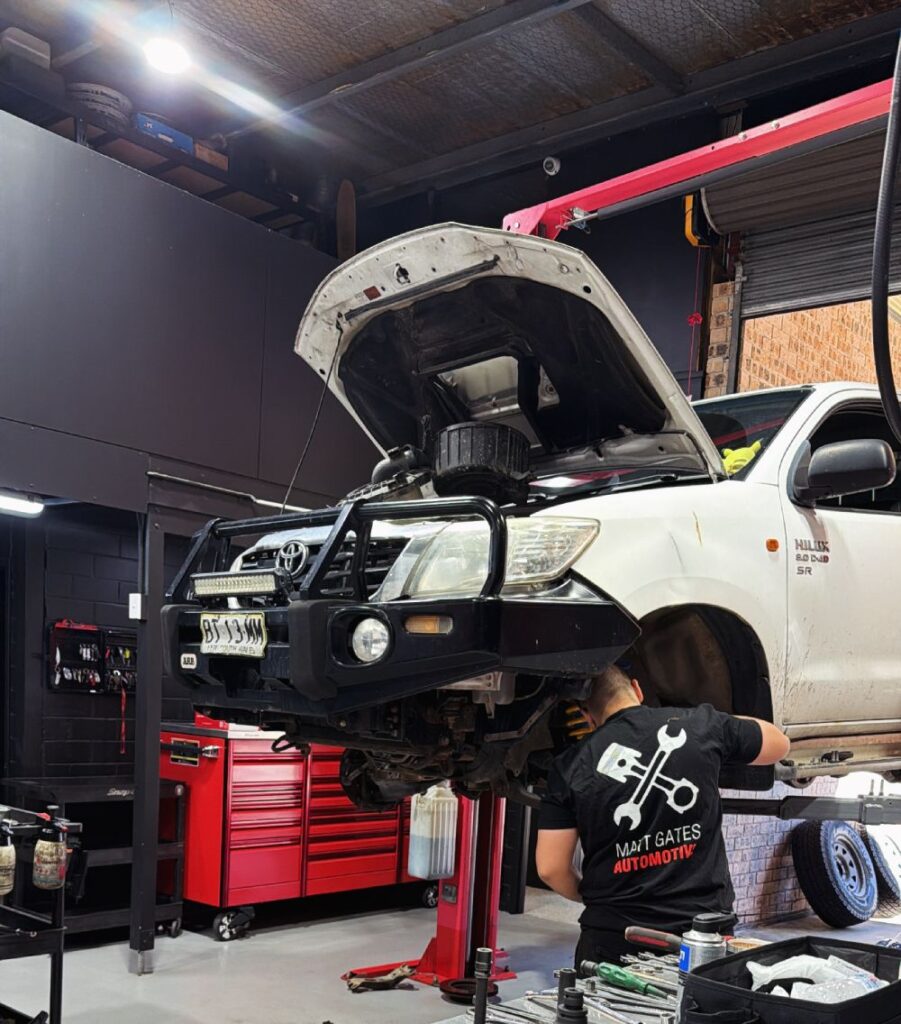
Matt Gates Automotive inspects and replaces worn shock absorbers on a wide range of passenger vehicles and 4WDs. Our team can assess the condition of your suspension components, identify worn or leaking shock absorbers and recommend the most suitable replacement to restore your vehicle’s handling and safety.
FAQs
How do I know if my shock absorbers need replacing?
Common signs that your shock absorbers may need replacing include excessive bouncing, a rough ride, increased body roll, nose diving under braking, uneven tyre wear and visible oil leaks. A suspension inspection can confirm whether replacement is required.
Is it okay to drive with worn shock absorbers?
Driving with worn shock absorbers is not recommended because they affect vehicle stability, braking performance and tyre contact with the road. While the vehicle may still be drivable, worn shock absorbers can reduce handling and increase stopping distances, particularly during emergency manoeuvres.
What is the life expectancy of shock absorbers in a car?
The lifespan of shock absorbers varies depending on driving conditions, vehicle type and how the vehicle is used. Regular inspections are the most reliable way to determine when shock absorbers are approaching the end of their service life.
Can worn shock absorbers affect braking?
Worn shock absorbers can affect braking because they reduce the tyres’ ability to maintain consistent contact with the road surface. This can increase braking distances and reduce vehicle stability, particularly on uneven or wet roads.