

Diesel engines have changed dramatically over the past two decades. Older diesel vehicles earned a reputation for reliability, simplicity and long engine life, while modern diesel engines focus more heavily on performance, fuel efficiency and emissions control.
Although modern diesel engines are quieter, cleaner and more powerful than older designs, they are also significantly more complex. This has changed the type of repairs and maintenance diesel owners commonly face.
Understanding the difference between old and modern diesel engines helps explain why older diesels often lasted so long, why modern engines have more problems and what owners should expect when maintaining newer diesel vehicles.
What Is the Difference Between Old and Modern Diesel Engines?
The biggest difference between old and modern diesel engines is how fuel delivery and emissions systems are managed.
Older diesel engines relied mostly on mechanical injection systems with limited electronics. Fuel delivery was simpler, engine bays were less crowded and there were fewer emissions components that could fail.
Modern diesel engines use advanced common rail injection systems, electronic sensors and complex engine management systems designed to improve performance and meet increasingly strict emissions laws.
These systems improve drivability and fuel efficiency, but they also introduce more components that require maintenance and can develop faults over time.
Why Older Diesel Engines Lasted So Long
Older diesel engines became known for durability because they were mechanically simpler and operated under lower stress compared to modern designs.
Many older diesels used:
- basic mechanical injection systems
- lower fuel pressures
- fewer electronic systems
- minimal emissions equipment
Because there were fewer sensors and less electronic control, there were also fewer opportunities for sensor related faults or electronic failures.
Older diesel engines were also more tolerant of fuel quality and long distance driving. Many could continue operating reliably even with high kilometres, provided servicing was kept up.
Are Older Diesel Engines More Reliable?
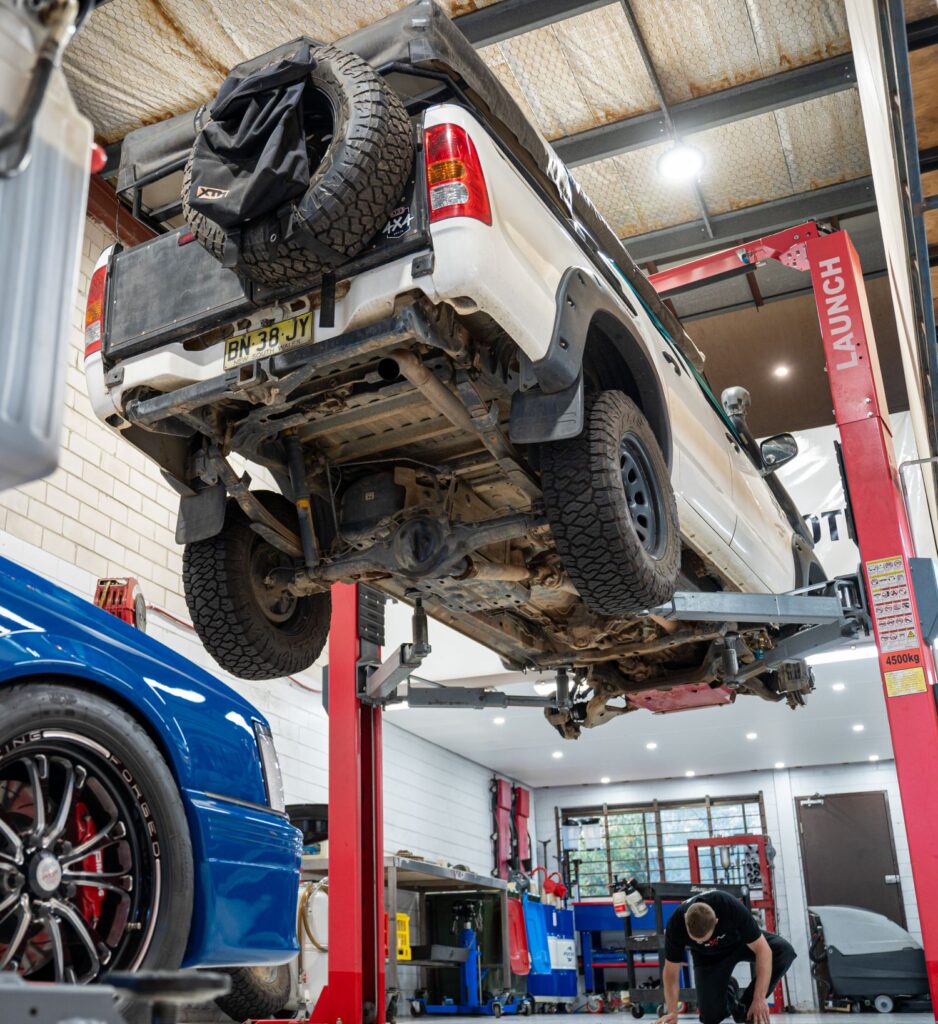
In many cases, older diesel engines are considered more reliable because of their simplicity. They generally had fewer emissions related components and less reliance on electronic control systems.
However, older diesel engines were also noisier, produced more emissions and were less refined to drive. While they often lasted a long time mechanically, they did not meet the modern expectations for emissions, comfort or fuel economy.
Reliability also depends heavily on maintenance history and how the vehicle has been used over time.
Common Issues With Older Diesel Engines
While older diesel engines are often praised for reliability and durability, they were not completely problem free. Many older diesel vehicles developed issues related to age, wear and outdated fuel systems rather than complex electronics.
Some of the most common issues seen in older diesel engines include:
Injector Wear and Fuel Leaks
Older diesel engines still relied on fuel injectors, but the systems were mechanically controlled rather than electronically managed. Over time, injector wear could lead to poor fuel delivery, rough running and fuel leaks.
Because older systems operated at lower pressure, repairs were often simpler and less expensive compared to modern common rail diesel systems.
Hard Starting in Cold Conditions
Many older diesel engines were slower and harder to start in colder weather, particularly when glow plugs began to wear out. This was a common complaint in ageing diesel vehicles and often became worse as engine compression reduced over time.
Oil Leaks and General Wear
Older diesel engines were built to last, but high kilometre vehicles commonly developed oil leaks and wear related issues as seals and gaskets aged. These problems were usually gradual rather than sudden failures.
Reduced Fuel Efficiency Compared to Modern Diesels
Although older diesel engines were durable, they were generally less refined and less fuel efficient than modern diesel engines. Advances in common rail injection and electronic fuel management significantly improved fuel economy in newer vehicles.
Why Modern Diesel Engines Have More Problems
Modern diesel engines are designed to meet much stricter emissions standards than older vehicles. To achieve this, manufacturers introduced advanced emissions control systems such as:
- diesel particulate filter systems
- EGR systems
- high pressure fuel systems
- electronically controlled fuel injection
While these systems reduce emissions and improve performance, they also increase complexity. Modern diesel engines depend heavily on sensors, electronic controls and precise fuel delivery to operate correctly.
This complexity is one reason modern diesel engines can experience higher maintenance costs compared to older diesel vehicles.
Common Issues With Modern Diesel Engines
Many of the most common modern diesel engine issue relate directly to emissions systems and fuel delivery components.
DPF and EGR Problems
One of the most common complaints in modern diesel vehicles involves the diesel particulate filter and EGR systems.
The DPF captures soot from the exhaust and periodically burns it off during regeneration. However, vehicles driven mostly on short trips or at low speeds may not complete the regeneration process properly, leading to blockage issues.
EGR systems recirculate exhaust gases back into the engine to reduce emissions. Over time, this can contribute to carbon build up inside the intake system and engine components.
Common symptoms include:
- warning lights
- rough engine performance
- reduced fuel efficiency
- loss of power
These issues are especially common in vehicles that spend most of their time in stop start traffic rather than long highway driving.
Fuel Injector & Fuel System Problems
Modern diesel engines use extremely high pressure fuel systems and electronically controlled fuel injectors to improve performance and efficiency.
While effective, these systems are sensitive to fuel quality and contamination. Injector wear or fuel system faults can lead to:
- rough running
- difficult starting
- increased smoke
- poor fuel efficiency
- loss of engine power
Because modern injectors operate at very high pressures, repairs can become expensive if faults are not diagnosed early.
Turbocharger Failure
Many modern diesel engines rely heavily on turbocharging to improve performance while maintaining fuel economy.
Although turbochargers are generally reliable, turbocharger failure can occur due to oil contamination, heat stress or poor maintenance. When turbo problems develop, drivers may notice:
- reduced acceleration
- unusual engine noises
- excessive smoke
- loss of power
If ignored, turbocharger problems can eventually affect other engine components.
Sensor Related Faults and Electronics
Modern diesel engines rely on multiple sensors and electronic systems to manage fuel delivery, emissions and engine performance.
When these systems develop faults, the vehicle may enter reduced power mode or trigger warning lights even if no major mechanical failure has occurred.
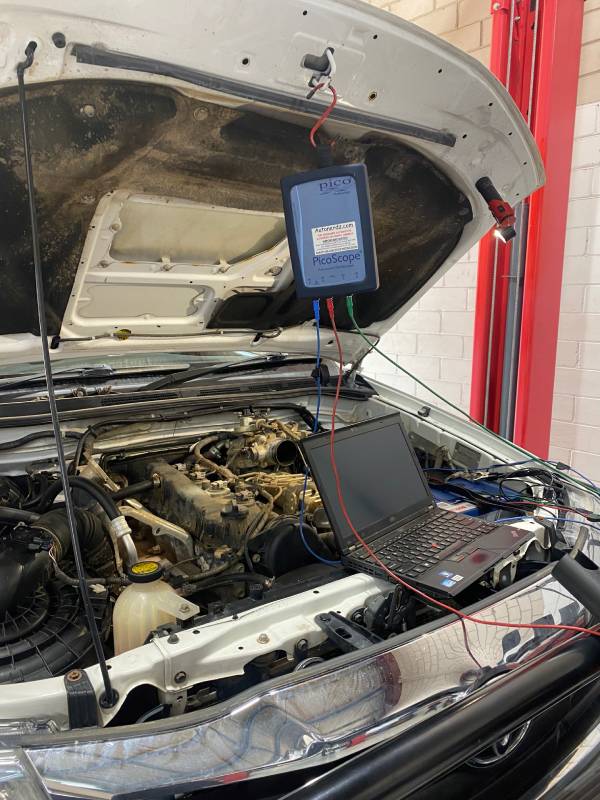
Sensor related faults are one reason modern diesel diagnostics often require specialised scan tools and software.
Do Modern Diesel Engines Require More Maintenance?
Modern diesel engines generally require more maintenance attention than older diesel vehicles because they contain more emissions and electronic systems.
Components such as DPF systems, EGR valves, fuel injectors and turbochargers require regular servicing and proper operating conditions to function correctly.
This does not mean modern diesels are unreliable. In many cases, problems develop because the vehicle is used in conditions that do not suit diesel emissions systems, such as constant short distance urban driving.
Drivers who regularly service their vehicles and address issues early can still achieve strong long term reliability from modern diesel engines.
Are Diesel Emissions Systems Expensive to Repair?
Diesel emissions systems can become expensive to repair when problems are ignored or allowed to worsen over time.
DPF replacement, injector repairs and EGR related cleaning work can all become costly if heavy carbon build up or component damage develops.
Early diagnosis is important because smaller issues within emissions control systems are often cheaper to repair before they affect additional components.
Diesel Repairs at Matt Gates Automotive
Diesel vehicles require specialised knowledge regardless of whether they are older mechanical diesels or modern electronically controlled systems. While older diesel engines are generally simpler, they still develop issues related to injector wear, turbocharger problems and general engine ageing. Modern diesel vehicles add further complexity through emissions systems, sensors and advanced fuel injection technology.
At Matt Gates Automotive, we work on both older and modern diesel vehicles, helping drivers diagnose faults early and avoid more serious engine problems. If your vehicle is experiencing loss of power, warning lights or performance issues, our team can do a full diesel car service, inspect the system and identify the cause before the problem becomes more serious.
FAQs
Why do older diesel engines last so long?
Older diesel engines often lasted longer because they used simpler mechanical injection systems with fewer electronic and emissions related components. Their simpler design made them easier to maintain and less sensitive to sensor or fuel system faults.
What causes modern diesel engines to lose power?
Modern diesel engines commonly lose power due to DPF blockage, EGR system faults, fuel injector issues or turbocharger problems. Sensor related faults and fuel system issues can also place the vehicle into reduced power mode.
What are common issues with older diesel engines?
Older diesel engines commonly suffered from injector wear, oil leaks, hard starting in colder weather and general wear from high kilometres. While they were mechanically simpler than modern diesels, ageing fuel systems and worn components could still create reliability problems over time.
What are common problems with modern diesel engines?
Modern diesel engines commonly experience DPF blockage, EGR system faults, fuel injector problems, turbocharger failure and sensor related faults. These issues are often linked to emissions control systems and the increased complexity of modern diesel technology.
Are diesel emissions systems expensive to repair?
Diesel emissions systems can become expensive to repair when problems are left unresolved for long periods. Components such as diesel particulate filters, injectors and EGR systems often become more costly when carbon build up or additional damage develops.