

Land Rovers are known for their off road capability, comfort and strong presence on the road. From Defenders to Discovery models and the North Shore’s favourite, the Range Rover, they offer a driving experience few other brands can match. Like any vehicle, they are not without their faults. Understanding the most common Land Rover repairs can help owners make informed decisions, maintain their vehicle properly and avoid unexpected repair costs over time.
This guide covers the Land Rover issues we see most often in our workshop, what causes them and what owners should be aware of when owning a luxury 4WD.
What Are the Most Common Problems With Land Rovers
Land Rover vehicles are complex, with advanced suspension systems, electronics and drivetrains. This complexity is part of what makes them capable and comfortable, but it also means there are more components that can wear or fail.
The most common Land Rover repairs tend to fall into a few key areas including:
- air suspension
- electrical problems
- oil leaks
- cooling system faults
- braking system issues
These problems vary by model and age, but many appear consistently across the range.
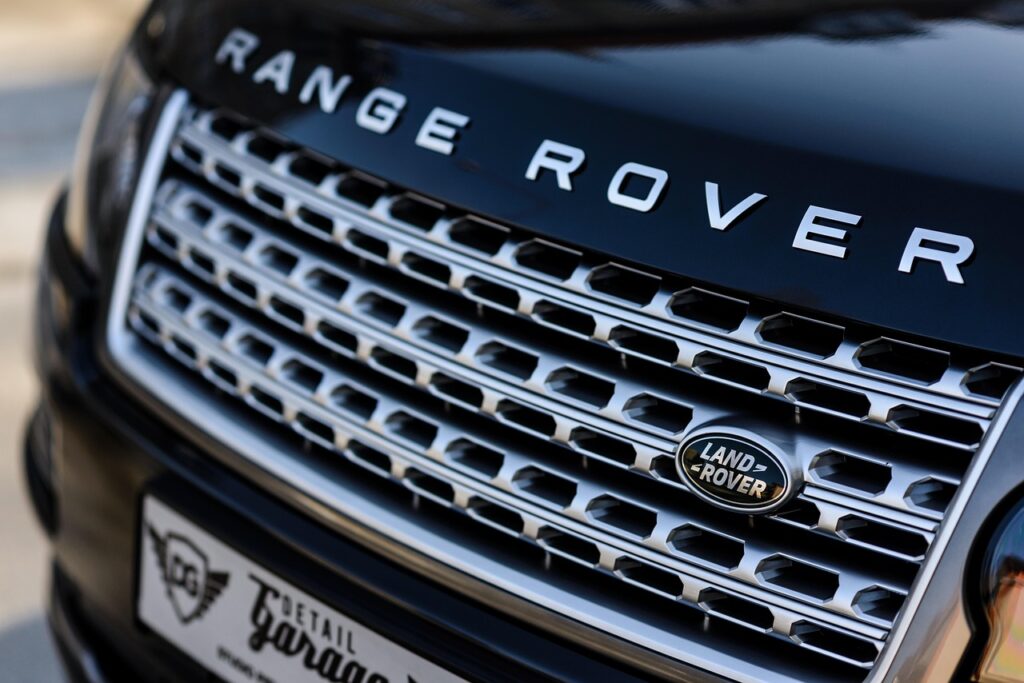
Air Suspension & Air Suspension Failure
Air suspension is one of the most well known Land Rover problem areas. While it delivers excellent ride comfort and off road performance, it is also one of the most common sources of repair work.
Air suspension failure can be caused by:
- leaking air bags
- worn compressors
- faulty height sensors
Over time, seals degrade and moisture can enter the system, leading to uneven ride height or the vehicle dropping overnight. In some cases, the dashboard warning light will alert the driver to a suspension fault.
Ignoring car suspension issues can lead to further damage and higher repair costs, so early diagnosis is important.
Electrical Problems & Electrical Issues
Electrical problems are another common concern for Land Rover owners. Modern Land Rovers rely heavily on control modules, sensors and wiring to manage everything from suspension to climate control.
Auto electrical issues can show up as warning lights, intermittent faults or features that stop working without warning.
Common complaints include:
- window faults
- central locking problems
- dashboard warning light alerts (without mechanical symptoms)
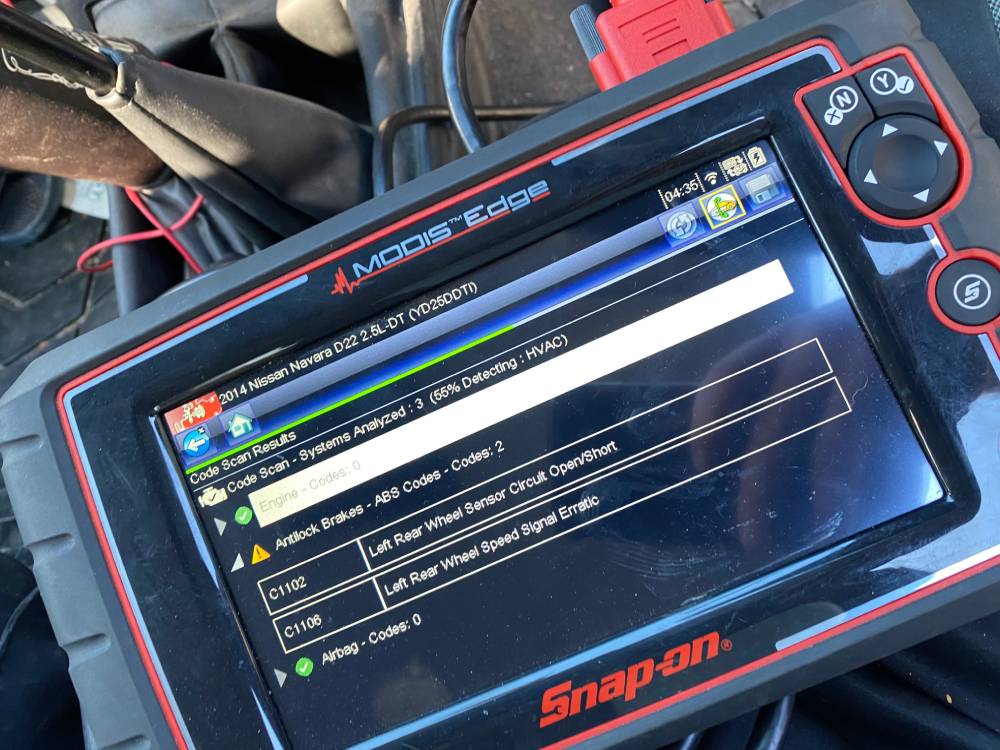
Because of the complexity of the electrical systems, proper car diagnostics are essential to avoid unnecessary part replacement.
Oil Leaks & Engine Problems
Oil leaks are frequently seen in Land Rover engines, particularly as vehicles age. Leaks can occur from rocker cover gaskets, oil cooler seals or other engine components.
Left unchecked, oil leaks can lead to low oil levels and contribute to engine problems over time. In severe cases, oil contamination can affect other systems, increasing repair complexity.
Routine inspections help identify oil leaks early before they cause more serious damage.
Cooling System Issues
The cooling system is another area where Land Rover vehicles can experience problems. Hoses, thermostats and radiators can deteriorate over time, especially in vehicles that see heavy use or off road conditions.
Cooling system faults can lead to overheating, which is one of the fastest ways to cause engine problems. Warning signs include coolant loss, temperature fluctuations or warning messages on the dashboard.
Maintaining the cooling system is critical for engine longevity and reliability.
Brake Issues & Braking System Issues
Brake issues are common across all vehicles, but Land Rovers often experience increased wear due to vehicle weight and driving conditions. Braking system issues can include worn pads and discs, brake fluid contamination or electronic brake system faults.
Symptoms may include reduced braking performance, vibration during braking or dashboard warning light alerts. Because brakes are a primary safety system, any braking issues should be addressed promptly.
Transmission Problems, Clutch & Gearbox Repairs
Transmission problems can occur in both automatic and manual Land Rover models. Automatic transmissions may experience shifting issues, delayed engagement or warning lights related to transmission control systems.
In manual vehicles, clutch and gearbox wear can become apparent through slipping, difficulty selecting gears or unusual noises. Regular servicing helps reduce the likelihood of major transmission repairs, but age and driving style also play a role.
Do Land Rovers Need a Lot of Maintenance
Land Rovers are more complex than many other vehicles due to their use of air suspension, electronically controlled drivetrains and integrated four wheel drive systems. These features are designed to deliver comfort and capability across a wide range of conditions, but they also mean there are more components that require monitoring as the vehicle ages.
This does not mean Land Rovers are unreliable or poorly built. It means their maintenance requirements reflect the systems they use. Owners who stay on top of servicing and address common Land Rover issues early are far less likely to face larger, more disruptive repair work later on.

Keeping Your Land Rover Running Reliably
Understanding common Land Rover repairs helps owners make informed decisions about maintenance and ownership. From air suspension and electrical issues to engine, cooling system and brake problems, early attention is key to preventing larger repairs.
Matt Gates Automotive specialises in Land Rover servicing and repairs in our Hornsby workshop. Our team has experience diagnosing and repairing Land Rover vehicles across mechanical, electrical, brakes and suspension systems. If your Land Rover is showing warning signs or you want it inspected by a specialist, we can help keep it running safely and reliably.
FAQs
Are Land Rover parts expensive?
Land Rover parts are generally more expensive than those for mainstream vehicles. This is due to the complexity of the components and, in some cases, limited aftermarket availability.
Using quality parts and experienced technicians helps ensure repairs last and perform as intended.
Are Land Rovers reliable?
Land Rovers are not unreliable by default, but they are more complex than many mainstream vehicles. Their reliability tends to vary by model, engine type and production era, with simpler configurations generally proving more dependable over time. Vehicles designed with fewer electronic systems and conventional suspension setups typically experience fewer long term issues than models with advanced air suspension and added technology.
For owners who understand what they are buying, Land Rovers can be reliable vehicles. They are best suited to drivers who value capability and comfort and are prepared for the ownership expectations that come with a premium 4WD.
Are Range Rovers worth the investment?
Range Rovers are worth the investment for drivers who value comfort, refinement and capability and who understand the ongoing maintenance involved. They offer a level of ride quality, interior finish and driving experience that few other 4WDs match. Ownership suits those who budget for proper servicing and repairs rather than expecting low maintenance costs typical of simpler vehicles.