

Seeing the check engine light on your dashboard can be worrying, especially if the car still seems to be driving normally. Some drivers ignore it and keep going, while others pull over immediately. If you are asking can I drive with the check engine light on, the answer depends on what the light is telling you and how the car is behaving.
This guide explains what the check engine light means, the difference between a flashing and solid check engine light, common check engine light causes and what to do next.
What Does the Check Engine Light Mean?
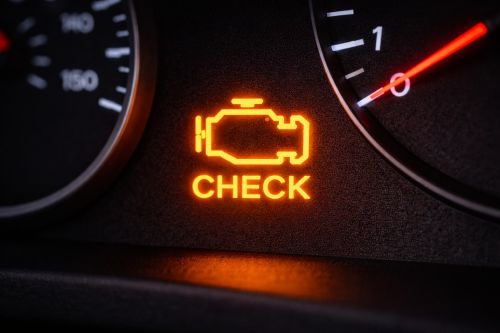
The check engine light is part of your car’s onboard computer system. When the system detects a fault that could affect engine performance, emissions or safety, it triggers the warning light on your dashboard.
The issue can range from something minor like a loose gas cap to more serious problems involving the catalytic converter, oxygen sensor or an electrical malfunction. The light does not tell you exactly what the problem is, only that the system has detected something outside normal parameters.
To understand the exact issue, the vehicle needs to be scanned with a diagnostic scanner to read the trouble code stored in the onboard computer.
Check Engine Flashing vs Solid Light
Understanding the difference between a flashing or solid check engine light is critical.
A solid check engine light usually indicates a non urgent fault. The car may still be safe to drive short distances, but the issue should be checked as soon as possible. Common causes include sensor faults, emissions issues or a loose gas cap.
A flashing check engine light signals a serious problem that can cause immediate damage. This often points to engine misfires that can damage the catalytic converter very quickly. If the light is flashing, you should pull over and stop driving as soon as it is safe to do so. Continuing to drive in this situation can lead to expensive engine and exhaust repairs.
Common Check Engine Light Causes
There are many reasons the engine warning light can turn on. Some of the most common include:
- A loose or faulty gas cap that allows fuel vapours to escape
- A failing oxygen sensor affecting fuel mixture
- Problems with the catalytic converter
- An electrical malfunction within the engine management system
- Faulty ignition components causing misfires
- Vacuum leaks affecting engine performance
Some of these issues are minor and inexpensive to fix. Others can become serious if ignored.
What to Do If Your Check Engine Light Comes On
When the check engine light comes on, the first step is to assess how the car feels. If there are no obvious symptoms, you can usually continue driving cautiously to have it checked.
Avoid hard acceleration, heavy loads or long trips until the issue is diagnosed. Do not reset the light or ignore it, as this can hide a developing problem.
The most reliable way to identify the fault is with a car diagnostic scan. A diagnostic scanner connects to the onboard computer, reads the trouble code and points the mechanic in the right direction. This saves time and prevents unnecessary parts replacement.
When You Should Stop Driving Immediately
You should stop driving and pull over if:
- The check engine light is flashing
- The engine is misfiring or shaking
- There is a strong smell of fuel or burning
- The car is overheating
- There is a sudden loss of power
In these situations, continuing to drive can cause further damage and increase repair costs.
Why Early Diagnosis Matters
Ignoring the check engine light can turn a small problem into major mechanical car repairs. For example, a faulty oxygen sensor left unchecked can damage the catalytic converter. A minor electrical malfunction can escalate into broader engine management issues.
Addressing the issue early helps keep repair costs down and reduces the risk of breakdowns.
Get Your Car Inspected By A Mechanic
If your check engine light has come on, the safest next step is to have the vehicle inspected by a qualified mechanic. At Matt Gates Automotive, our mechanics use professional car diagnostic equipment to read fault codes, identify the cause and explain what needs attention clearly.
We help drivers across Hornsby and the surrounding areas understand whether it is safe to continue driving or whether repairs are needed straight away. If your engine warning light is on and you are unsure what to do, having it checked early can prevent more serious issues down the track.
FAQs
Can I drive with the check engine light on?
In some cases, it is safe to continue driving for a short period, but it should never be ignored. Driving with the check engine light on means the car has identified a fault, and continuing to drive can allow that problem to worsen.
Is it safe to drive with the check engine light on?
Whether it is safe to drive depends on how the car is performing and the type of warning being displayed. If the check engine light is solid and the car feels normal, you may be able to continue driving briefly to reach a mechanic.
If the light is flashing, the engine is running poorly, or the car is shaking, losing power or stalling, it is not safe to continue driving. In these cases, stopping the vehicle and arranging inspection is the safest option.
How long can you drive with the check engine light on?
There is no set amount of time you can drive with the check engine light on, as it depends on the fault causing it. If the light is solid and the car is driving normally, only drive as far as necessary and have it checked as soon as possible. If the check engine light is flashing, stop driving as soon as it is safe to do so, as continuing to drive can cause further damage.