

Electric vehicles place different demands on tyres compared to traditional petrol and diesel cars. While tyres may look similar from the outside, factors such as vehicle weight, instant torque and battery efficiency all influence how a tyre performs on an EV.
As more Australians make the switch to electric vehicles, many owners are asking whether EVs need special tyres, why EV tyres wear faster and whether standard tyres can be used instead.
Choosing the right tyre can affect everything from battery range and ride comfort to tyre life and overall driving performance.
Do Electric Vehicles Need Special Tyres?
Electric vehicles do not always require dedicated EV tyres, but many manufacturers now produce tyres specifically designed to suit the characteristics of electric vehicles.
EVs place unique demands on tyres because they are generally heavier than equivalent petrol vehicles and deliver power differently. This means tyre manufacturers often design EV tyres with a stronger construction, specific tread patterns and compounds that help balance durability, efficiency and performance.
For many drivers, standard tyres may still be suitable. However, selecting tyres designed with EV requirements in mind can provide benefits in certain situations.
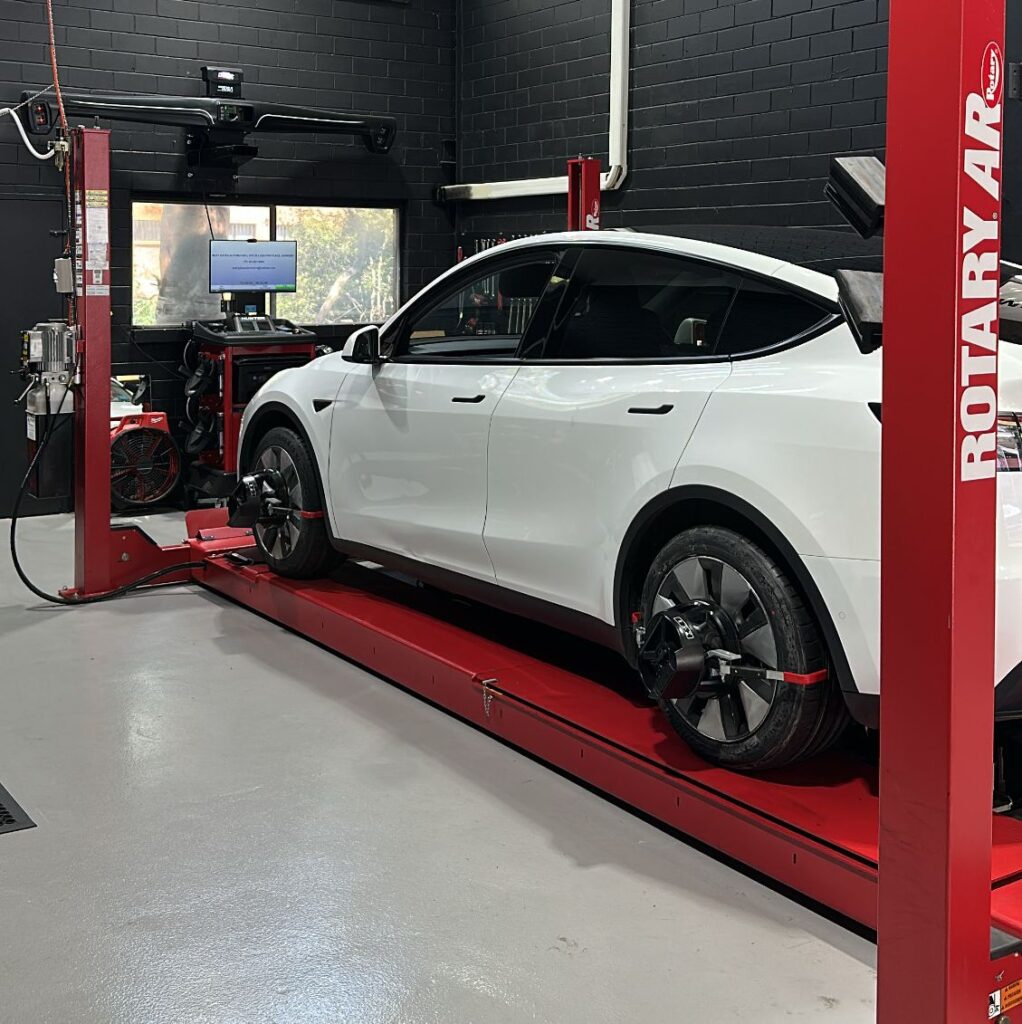
What Makes EV Tyres Different From Regular Tyres?
Several key factors separate EV tyres from traditional passenger vehicle tyres.
Rolling Resistance and Battery Range
One of the biggest considerations is rolling resistance. This refers to how much energy is required for the tyre to roll along the road surface.
Lower rolling resistance helps improve energy efficiency, allowing the vehicle to travel further on a single charge. Because battery range remains important for many EV owners, tyre manufacturers often focus heavily on reducing rolling resistance while maintaining safety and grip.
Even small differences in tyre design can affect overall battery range.
Vehicle Weight and Load Rating
Electric vehicles are often heavier than their petrol equivalents due to the weight of the battery packs.
This additional weight places greater demands on the tyre structure, which is why many EV tyres feature higher load ratings and reinforced construction. The tyre must safely support the extra weight while maintaining ride quality and handling performance.
Noise Reduction
Without a traditional combustion engine, drivers often notice road and tyre noise more clearly in an electric vehicle.
As a result, many EV tyres are designed with a focus on noise reduction and minimising road noise. Manufacturers achieve this through specialised tread designs and construction methods that help create a quieter driving experience.
Why Do EV Tyres Wear Out Faster?
One of the most common concerns among EV owners is tyre life.
Instant Torque
Electric vehicles produce instant torque, meaning maximum power can be delivered immediately when the accelerator is pressed.
This rapid power delivery places greater stress on the tyres, particularly during acceleration. Over time, this can contribute to increased tyre wear compared to some petrol or diesel vehicles.
Regenerative Braking
Many EVs also use regenerative braking, which slows the vehicle while recovering energy and returning it to the battery.
While regenerative braking improves efficiency, it changes how forces are applied through the tyres. Combined with vehicle weight and instant torque, this can influence wear patterns over time.
Tyre Compound
The tyre compound plays a major role in balancing grip, durability and efficiency.
Manufacturers often need to strike a compromise between low rolling resistance, strong wet weather performance and acceptable tyre life. Depending on the tyre selected and driving style, some EV owners may experience faster tyre wear than expected.
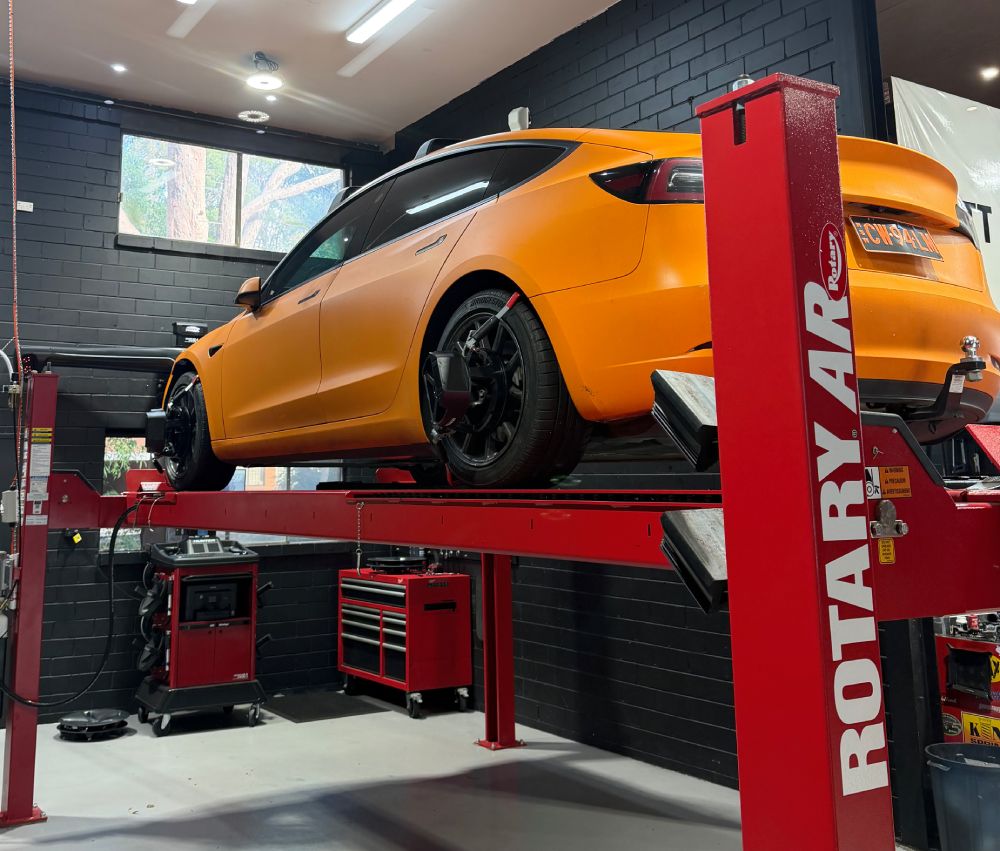
Can You Put Normal Tyres On An Electric Car?
In many cases, yes, normal tyres can be fitted to an electric vehicle provided they meet the manufacturer’s requirements for size, load rating and performance.
However, not all tyres are equally suited to EV use. Some conventional tyres may wear more quickly, generate more road noise or reduce efficiency compared to tyres specifically designed for electric vehicles.
The most suitable option depends on the vehicle and how it is driven.
Best Tyres For Electric Vehicles
The best tyres for electric vehicles depend on the vehicle itself, driving conditions and owner priorities.
Some drivers prioritise maximum battery range, while others focus on comfort, tyre life or wet weather performance. Many tyre manufacturers now offer products designed specifically for electric vehicles, incorporating features that improve efficiency, durability and noise reduction.
- Continental
- Michelin
- Hankook
- Pirelli
- Bridgestone
Are EV Tyres More Expensive?
EV tyres can sometimes be more expensive than equivalent standard tyres.
This is often due to the additional engineering required to improve rolling resistance, support heavier vehicles and reduce road noise. However, pricing varies significantly between brands, tyre sizes and vehicle types.
The most expensive tyre is not always the best option. Selecting a tyre that suits the vehicle and driving conditions is generally more important than focusing solely on price.
Choosing The Right EV Tyre For Your Driving Style
When selecting tyres for an electric vehicle, it is important to consider how the vehicle is used.
Drivers who spend most of their time on highways may prioritise efficiency and tyre life, while those driving primarily in urban areas may place greater value on comfort and low road noise.
Other factors worth considering include:
- battery range
- wet weather grip
- load rating
- expected tyre life
- driving style
- vehicle weight
Finding the right balance between these factors often delivers the best long term results.
EV Tyre Advice At Matt Gates Automotive
Choosing tyres for an electric vehicle involves more than simply matching the size listed on the sidewall. Vehicle weight, battery efficiency, tyre wear and driving conditions all play a role in selecting the right tyre.
Matt Gates Automotive can help EV owners choose tyres that suit their vehicle and driving style. Whether you are looking to maximise battery range, improve comfort or replace worn tyres, our team can help you find a suitable option for your electric vehicle.
FAQs
What makes EV tyres different from regular tyres?
EV tyres are often designed with lower rolling resistance, higher load ratings and improved noise reduction to suit the weight and performance characteristics of electric vehicles.
Why do EV tyres wear out faster?
EV tyres can wear faster because electric vehicles are generally heavier and deliver instant torque, which places greater stress on the tyres during acceleration and braking.
Can you put normal tyres on an electric car?
Yes, normal tyres can often be fitted to an electric vehicle provided they meet the required size, load rating and performance specifications. However, tyres designed specifically for EVs may offer additional benefits.
Does tyre choice affect EV battery range?
Yes, tyre choice can affect battery range because rolling resistance influences how much energy is required to keep the vehicle moving. Lower rolling resistance tyres can help improve overall efficiency.