

Where 4WDs Commonly Develop Problems
Unlike standard cars, 4WDs rely on a more complex setup of drivetrain and suspension components. These systems work harder, especially under load or on uneven terrain.
Common areas where problems occur include:
- Suspension components wearing out from off road use and heavy loads
- Drivetrain components developing vibration or reduced performance
- Transfer case faults affecting how the vehicle engages four wheel drive
- Differential fluid leaks leading to internal wear and noise
- Cooling system issues that can result in engine overheating
- Driveshaft issues and worn CV joints causing knocking or vibration
- Brake system wear, especially brake pads under towing or steep driving
- Electrical system faults triggering warning lights on the dash
- Battery replacements due to higher electrical demand
- Transmission problems when under constant strain
- Incorrect tyre pressure impacting handling and fuel consumption
These issues don’t usually happen all at once. Most develop gradually over time.
What Causes These Issues in a 4WD
The main difference with 4WD vehicles is how they’re used. More load, more resistance, and harsher conditions all contribute to faster wear across key systems.
Off road driving puts stress on suspension components and drivetrain parts. Towing increases heat in the transmission and cooling system. Even daily driving with larger tyres or added weight can affect fuel consumption and component lifespan.
Without regular servicing, small issues like fluid leaks or worn parts can quickly turn into more expensive repairs.
Warning Signs to Look Out For
4WD problems often show up through changes in how the vehicle feels or performs. Recognising these signs early can help prevent breakdowns.
Loss of Power or Reduced Performance
If the vehicle feels slower than usual or struggles under load, it can point to drivetrain components, transmission problems or cooling system inefficiencies.
Fluid Leaks Under the Vehicle
Leaks from the differential, cooling system or other components should never be ignored. Low fluid levels can lead to internal damage very quickly.
Engine Overheating
Overheating is often linked to cooling system issues or coolant leaks. This is especially common when towing or driving in demanding conditions.
Vibrations or Drivetrain Noise
Driveshaft issues or worn CV joints can cause noticeable vibration or knocking, particularly when accelerating or turning.
Warning Lights on the Dashboard
Modern 4WDs rely on electronic systems to monitor performance. Warning lights can indicate electrical system faults, battery issues or deeper mechanical problems.
Why Early Repairs Matter
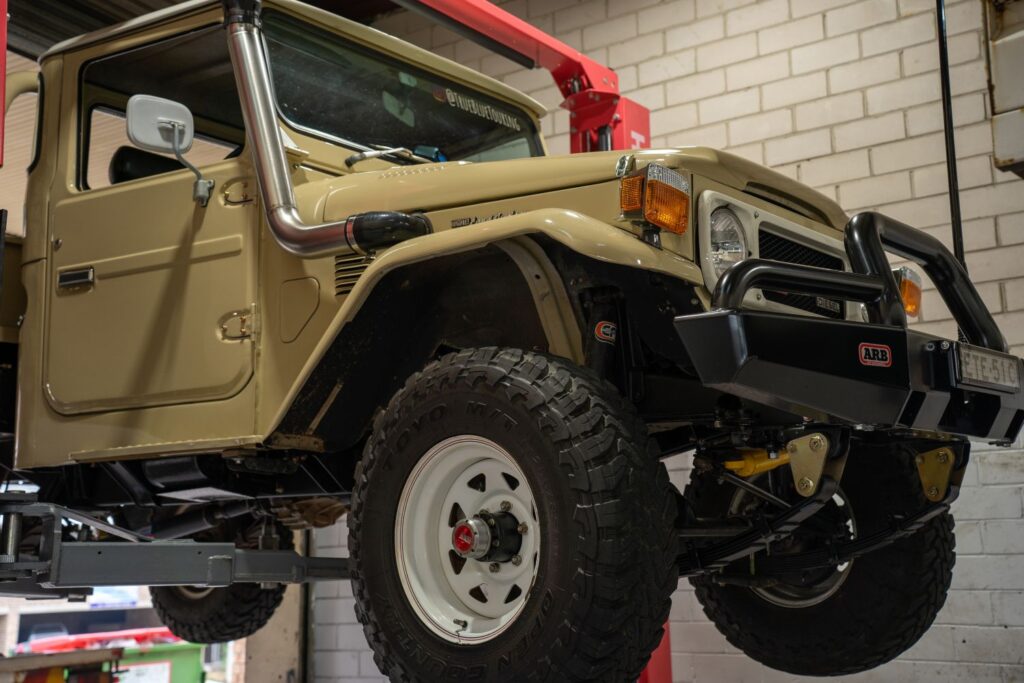
4WD systems are interconnected. A fault in one area can quickly affect another.
For example, a small differential fluid leak can lead to internal wear, which then causes drivetrain vibration and reduced performance. Similarly, cooling system issues can escalate into serious engine overheating if left unchecked.
Addressing problems early helps reduce repair costs and keeps the vehicle reliable.
Expert 4WD Mechanics at Matt Gates Automotive
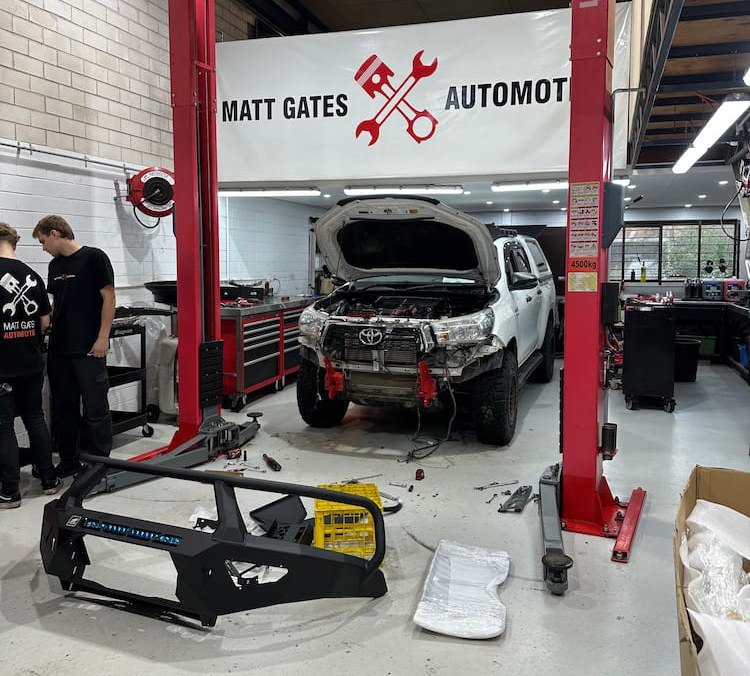
At Matt Gates Automotive, we carry out 4WD repairs across all major systems including suspension components, drivetrain components, cooling systems and transmission problems.
Our workshop in Hornsby is equipped to diagnose issues such as fluid leaks, engine overheating, warning lights, driveshaft issues and CV joint wear. We also check tyre pressure, battery condition and overall vehicle performance to make sure your 4WD is safe and reliable.
If your vehicle is showing signs of reduced performance, loss of power or any unusual behaviour, our team can inspect the problem and carry out the necessary repairs to get you back on the road.
FAQs
What are the most common problems with 4WD vehicles?
Common problems include worn suspension components, drivetrain issues, transfer case faults, fluid leaks, cooling system problems and transmission wear, especially in vehicles used for towing or off road driving.
Why do 4WD vehicles need more maintenance?
4WDs have more complex systems and are often driven in harsher conditions. This puts additional strain on components, leading to faster wear if not properly maintained.
Can you drive a 4WD with drivetrain issues?
Driving with drivetrain problems can lead to further damage and increased repair costs. If you notice vibration, noise or loss of power, it is best to have the vehicle inspected as soon as possible.
What causes a 4WD to overheat?
Engine overheating is usually caused by cooling system issues, coolant leaks or increased strain from towing and off road driving.
How often should a 4WD be serviced?
Servicing intervals depend on how the vehicle is used, but 4WDs that are regularly driven off road or used for towing should be checked more frequently to prevent wear related issues.