

Tyre pressure is one of the most important and most overlooked parts of vehicle maintenance. Getting the PSI right affects how your car handles, how safely it brakes, how evenly your tyres wear and even how much fuel you use.
While every vehicle has a manufacturer recommended pressure, understanding what PSI means and what typical ranges look like helps you make better decisions and spot issues early.
What Is PSI
PSI stands for pounds per square inch. It is the unit used to measure the air pressure inside your tyres.
Put simply, PSI tells you how much air is inside the tyre and how much pressure it is applying against the tyre walls.
- Higher PSI means more air and a firmer tyre
- Lower PSI means less air and a softer tyre
Getting the balance right is what allows the tyre to maintain proper contact with the road.
Typical Tyre Pressure Range
Most vehicles fall within a general tyre pressure range under normal driving conditions.
- Passenger cars typically run between 32–36 PSI
- SUVs and 4WDs often sit between 35–40 PSI on road
These are general guidelines only. The correct pressure for your vehicle should always match the manufacturer recommended pressure.
Standard vs Loaded Tyre Pressure
Many vehicles list two different tyre pressure settings.
- Standard pressure for normal day to day driving
- Loaded pressure for when carrying extra weight such as passengers, luggage or towing
In loaded conditions, rear tyre pressure is often higher to support the additional weight and maintain stability.

Where to Find the Correct PSI for Your Car
The correct tyre pressure is set by the manufacturer for your specific vehicle.
You can find it:
- On the tyre pressure placard inside the driver door
- Inside the fuel flap on some vehicles
- In the owner’s manual
This is the only accurate PSI for your car and should always be followed over any general guide.
Why Tyre Pressure Should Be Checked Cold
Tyre pressure should always be checked when the tyres are cold.
This means:
- The vehicle has been parked for several hours
- Or driven only a short distance at low speed
As tyres heat up during driving, air expands and increases the PSI reading. Checking cold tyre pressure gives an accurate baseline.
What Happens If Tyres Are Underinflated
Underinflated tyres create more surface contact than intended, which increases resistance and heat.
This can lead to:
- Increased tyre wear along the outer edges
- Reduced grip and stability
- Higher fuel consumption
- Greater risk of overheating and tyre failure
Low pressure puts additional stress on the tyre structure and affects overall performance.
What Happens If Tyres Are Overinflated
Overinflated tyres reduce the contact area between the tyre and the road.
This can cause:
- Increased tyre wear through the centre
- Reduced grip, especially in wet conditions
- A harsher ride
- Decreased stability
Too much pressure limits how well the tyre can absorb road imperfections.
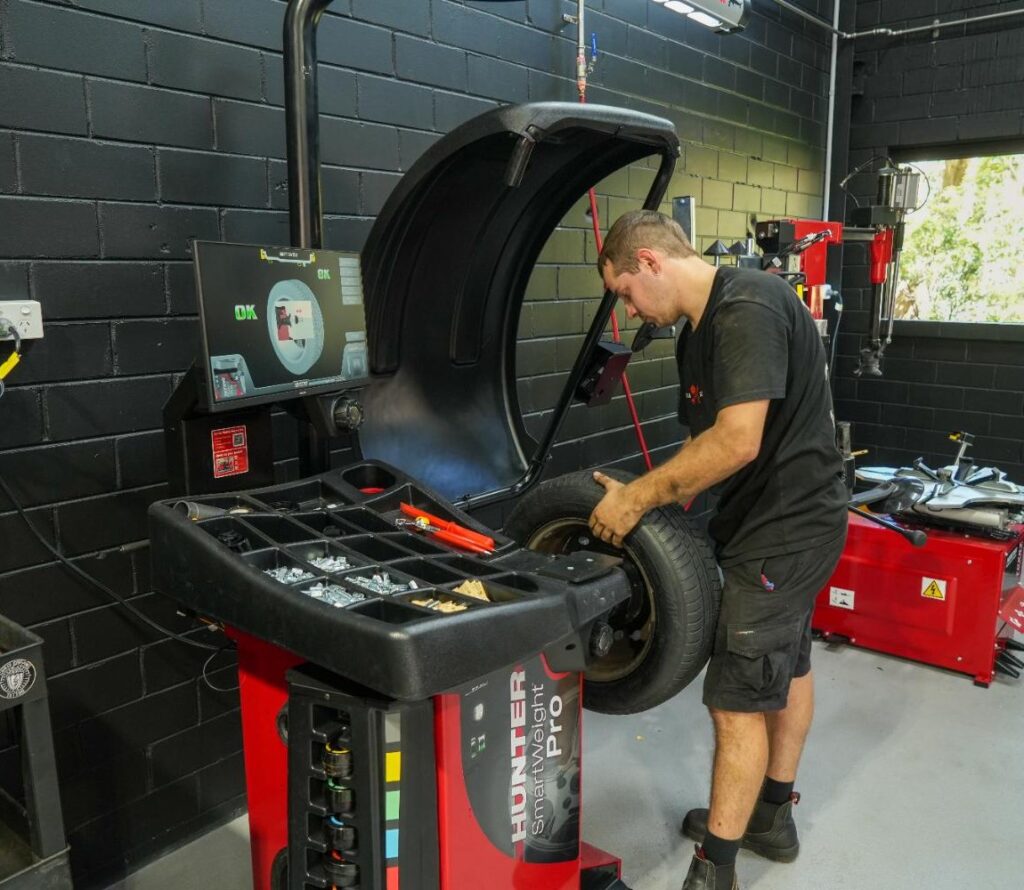
How Tyre Pressure Affects Safety & Performance
Incorrect tyre pressure directly impacts how your vehicle behaves.- Reduced grip increases the risk of losing control
- Braking distances become longer, particularly in wet conditions
- The risk of aquaplaning increases when pressure is too low
- Fuel consumption rises due to increased rolling resistance
Why You Should Check Tyre Pressure Regularly
Tyres naturally lose pressure over time, even without damage. As a guide:- Tyres can gradually lose pressure each month
- Cold weather can cause PSI to drop
- Load and driving conditions can affect pressure levels
Tyre Checks at Matt Gates Automotive
At Matt Gates Automotive, we check tyre pressure as part of routine servicing to ensure your vehicle is safe and performing as it should.
Our Hornsby workshop sets tyre pressure based on the manufacturer recommended pressure for your vehicle, including adjustments for load where needed. We also inspect for uneven tyre wear and signs of underinflated tyres or overinflated tyres.
If you are unsure about the correct PSI for your car or want your tyres checked, our team can make sure everything is set correctly for safe and efficient driving.
FAQs
What is the correct PSI for car tyres?
The correct PSI is the manufacturer recommended pressure listed on your vehicle’s placard or in the owner’s manual.
Is 35 PSI a good tyre pressure?
35 PSI is a common average, but it is not correct for every vehicle. Always follow the specific recommendation for your car.
Why should tyre pressure be checked when cold?
Because heat from driving increases pressure readings, checking when cold ensures an accurate measurement.
What happens if tyre pressure is too low?
Low pressure causes increased tyre wear, reduced grip, higher fuel consumption and a greater risk of tyre damage.
What happens if tyre pressure is too high?
High pressure reduces grip, causes uneven tyre wear and can make the ride harsher and less stable.