

Shock absorbers are a key part of your vehicle’s suspension system. Their role is not just about comfort, but about controlling how the vehicle moves and stays connected to the road.
Without properly functioning shock absorbers, the car can become unstable, harder to control and less safe under braking or cornering.
What Is the Purpose of Shock Absorbers
Shock absorbers are designed to control the movement of the suspension system. They work alongside the springs to manage how the vehicle reacts to bumps, dips and changes in road surface.
This helps:
- Maintain tyres in contact with the road
- Improve vehicle stability during braking and cornering
- Reduce excessive bouncing after hitting bumps
- Support consistent ride comfort
Keeping the tyres in contact with the road is their most important function, as it directly affects control and safety.
How Shock Absorbers Work
Shock absorbers use hydraulic resistance to control movement. Inside each unit is an oil filled tube with a piston and rod.
As the suspension moves, the piston is forced through hydraulic fluid. This creates resistance, known as damping force, which slows and controls the motion.
There are two key phases:
- Bump, when the suspension compresses as the wheel moves upward
- Rebound, when the suspension extends back to its normal position
By controlling both bump and rebound, shock absorbers prevent the vehicle from continuing to bounce after hitting a bump.
Types of Shock Absorbers
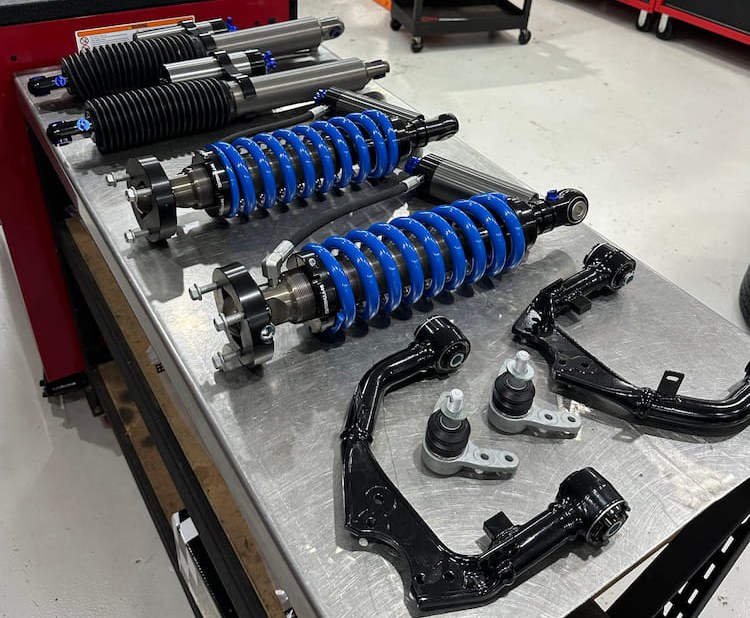
Different vehicles use different shock absorber designs depending on performance and driving conditions.
The most common types include:
- Twin tube shock absorbers, which use an inner and outer chamber to manage hydraulic fluid
- Monotube shock absorbers, which use a single chamber design and offer more consistent damping under load
Both types rely on hydraulic fluid and internal valving to control suspension movement.
What Happens When Shock Absorbers Wear Out
Shock absorbers wear gradually over time. As they lose their ability to control movement, the suspension system becomes less effective.
Common signs of worn shock absorbers include:
- Excessive bouncing after bumps
- Reduced vehicle stability
- Poor handling when cornering
- Uneven tyre wear
Because they affect how well the tyres stay in contact with the road, worn shock absorbers can impact both safety and performance.
Why Replacement Is Necessary
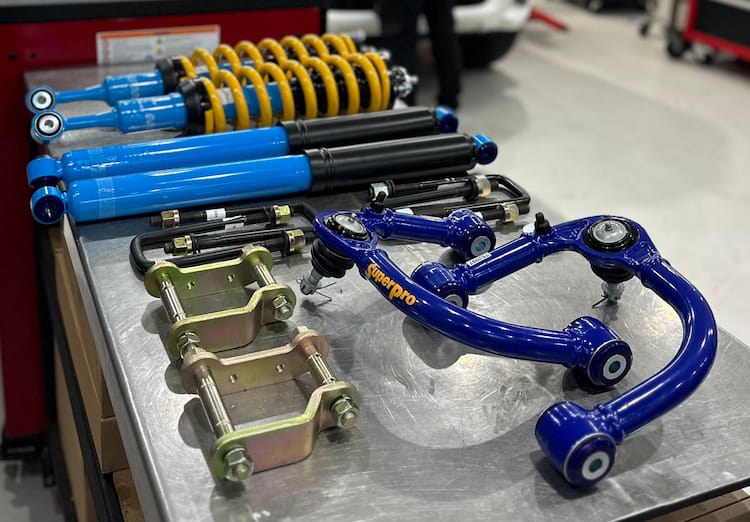
Shock absorbers are sealed components. Once they lose damping force or begin leaking fluid, they cannot be repaired in standard vehicles.
Instead, they are replaced to restore proper suspension performance.
Replacing worn shock absorbers helps maintain stability, improve handling and ensure the suspension system continues to function correctly.
Suspension Services at Matt Gates Automotive
All of our mechanics at Matt Gates Automotive are experts in suspension and steering repairs. We inspect suspension systems and identify worn components including shock absorbers.
Our Hornsby workshop checks for loss of damping force, fluid leaks and reduced performance across the suspension system. If shock absorbers are worn, we carry out replacement to restore ride quality and vehicle stability.
If your car feels unstable, bouncy or less controlled than usual, our team can assess the suspension system and recommend the right solution.
FAQs
What do shock absorbers do in a car?
Shock absorbers control the movement of the suspension system by applying damping force, helping maintain stability and keeping tyres in contact with the road.
Can shock absorbers be repaired?
No, shock absorbers are sealed units and are replaced once they wear out or lose performance.
How do you know if shock absorbers need replacing?
Signs shock absorbers need to be replaced include excessive bouncing, poor handling, reduced stability and uneven tyre wear.
What is the difference between bump and rebound?
Bump is when the suspension compresses, while rebound is when it extends back. Shock absorbers control both movements.
What types of shock absorbers are there?
The most common types are twin tube and monotube shock absorbers, both designed to control suspension movement using hydraulic fluid.